
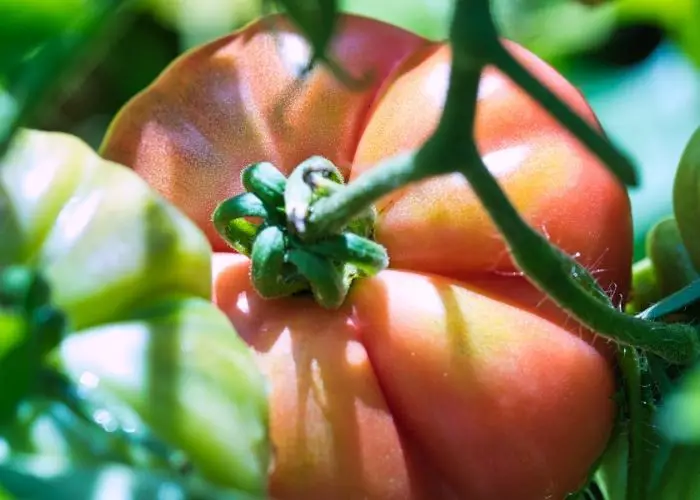
Container Gardening: Growing Beefsteak Tomatoes Step by Step
Imagine biting into a juicy, homegrown beefsteak tomato, bursting with flavor. You don't need acres of land to experience this culinary delight. With container gardening, you can cultivate these giants right on your patio, balcony, or even indoors. This comprehensive guide provides a step-by-step approach to successfully growing beefsteak tomatoes in containers, whether you're a seasoned gardener or just starting out. We'll cover everything from choosing the right container and soil to troubleshooting common problems and ensuring a bountiful harvest.
Getting Started: Choosing the Right Supplies
Before you even think about seeds, you need to gather the essential supplies for container tomato gardening. The success of your tomato plants hinges on these initial choices.
1. Container Selection: Size Matters
Beefsteak tomatoes are large, vigorous plants with extensive root systems. A small pot simply won't suffice.Opt for a container that is at least 20 gallons in size. This provides adequate space for the roots to grow and supports the heavy fruit load.
Material: Plastic, ceramic, terracotta, or even repurposed containers can work. Ensure the container has drainage holes to prevent waterlogging. Shape: Wider is generally better than taller, as it provides greater stability. Example:A 25-gallon grow bag or a large resin planter are excellent choices.
2. Choosing the Right Soil Mix
Forget garden soil; it's too heavy and compacts easily in containers, hindering drainage and root development. Instead, use a high-quality potting mix specifically formulated for container gardening.
Composition: Look for a mix that includes peat moss or coco coir for moisture retention, perlite or vermiculite for aeration and drainage, and compost for added nutrients. p H Level: Tomatoes thrive in slightly acidic soil, with a p H between 6.0 and
6.8. You can test your soil p H using a simple soil test kit. Amendment:Consider adding slow-release organic tomato fertilizer to the potting mix at planting time to provide a steady supply of nutrients.
3. Seed Starting vs. Transplanting
You have two options: starting your beefsteak tomato plants from seed or purchasing transplants from a local nursery.
Starting from Seed: This allows you to choose from a wider variety of beefsteak tomato types, including heirloom and cherry tomato growing options. Start seeds indoors 6-8 weeks before the last expected frost. Use a seed-starting mix and provide ample light. Transplanting: This is a faster and easier option, especially for beginners. Choose healthy-looking transplants with strong stems and no signs of disease.
4. Support Systems: Stakes, Cages, and Trellises
Beefsteak tomato plants become heavy as they mature, requiring support to prevent them from collapsing under the weight of the fruit.
Stakes: Drive a sturdy stake into the container near the plant and tie the stem to the stake using soft twine. Cages: Tomato cages provide all-around support and allow the plant to grow naturally within the cage. Choose a cage that is tall and sturdy enough to support the mature plant. Trellises:Trellises are a good option if you want to train your tomato plants to grow vertically.
Step-by-Step Planting Guide
Now that you have your supplies, it's time to get your hands dirty! Follow these steps for successful planting:1. Preparing the Container:
Place a layer of gravel or broken pottery at the bottom of the container to improve drainage.
Fill the container with your chosen potting mix, leaving a few inches of space at the top.
2. Planting Seedlings or Transplants
If starting from seed, transplant seedlings into individual containers once they have developed their first set of true leaves.
When transplanting, gently remove the plant from its original container and loosen the root ball.
Dig a hole in the potting mix that is large enough to accommodate the root ball.
Place the plant in the hole and backfill with potting mix, gently firming the soil around the base of the plant.
Water thoroughly after planting.
3. Placement and Sunlight
Place your container in a location that receives at least 6-8 hours of direct sunlight per day. Tomatoes are sun-loving plants and need plenty of light to thrive.
If growing indoors, supplement natural light with grow lights. Full-spectrum LED grow lights are an excellent option for providing the necessary light spectrum.
Watering and Fertilizing
Proper watering and fertilization are crucial for healthy tomato growth and abundant fruit production.
1. Watering
Water deeply and regularly, especially during hot weather. Allow the soil to dry slightly between waterings.
Avoid overwatering, as this can lead to root rot.
Water early in the morning to allow the foliage to dry before nightfall, reducing the risk of fungal diseases.
2. Fertilizing
Feed your tomato plants with a balanced organic tomato fertilizer every 2-3 weeks, following the manufacturer's instructions.
During the flowering and fruiting stages, switch to a fertilizer that is higher in phosphorus and potassium to promote fruit development.
Consider using compost tea as a natural fertilizer and soil amendment.
Troubleshooting Common Problems
Even with the best care, tomato plants can sometimes encounter problems. Here are some common issues and how to address them: Yellow Leaves: Yellowing leaves can be caused by nutrient deficiencies, overwatering, or underwatering. Check the soil moisture and p H level, and adjust watering and fertilization accordingly. Slow Growth: Slow growth can be caused by insufficient sunlight, poor soil, or pests. Ensure your plants are getting enough sunlight and fertilize regularly. Blossom End Rot: This condition causes a dark, leathery spot to develop on the bottom of the fruit. It is usually caused by a calcium deficiency. Amend the soil with calcium or use a calcium-rich fertilizer. Pests: Aphids, whiteflies, and tomato hornworms can damage tomato plants. Inspect your plants regularly and treat any infestations with insecticidal soap or neem oil. Fungal Diseases:Early blight, Septoria leaf spot, and late blight are common fungal diseases that can affect tomato plants. Prevent these diseases by providing good air circulation, avoiding overhead watering, and applying a fungicide if necessary.
Seasonal Growing Tips
Growing tomatoes in containers allows for flexibility and adaptation to different climates.
Florida Growing: Take advantage of Florida's warm climate by starting your tomato plants early in the spring or even in the fall for a winter harvest. Greenhouse Growing: If you live in a cooler climate, consider growing your tomato plants in a greenhouse to extend the growing season. Winter Indoor Setups:You can also grow beefsteak tomatoes indoors during the winter using grow lights and proper ventilation.
Companion Planting and Crop Rotation
Enhance your tomato garden by incorporating companion plants.
Beneficial Companions: Marigolds deter pests, basil improves tomato flavor, and cucumbers provide ground cover. Plants to Avoid: Avoid planting tomatoes near brassicas (cabbage, broccoli, cauliflower) as they compete for nutrients.
Harvesting and Beyond
Knowing when and how to harvest your beefsteak tomatoes ensures peak flavor and quality.
Harvesting: Tomatoes are ready to harvest when they are fully colored, slightly soft to the touch, and easily detach from the vine. Storage: Store ripe tomatoes at room temperature. Refrigeration can diminish their flavor. Regrowth:Tomato plants are annuals and will not regrow after the growing season. However, you can save seeds from your best tomatoes to plant next year.
Advanced Techniques
For experienced gardeners looking to push the boundaries of container tomato gardening, consider these techniques: Upside-Down Tomatoes: Plant tomatoes in upside-down planters to save space and improve air circulation. Straw Bale Gardening: Grow tomatoes in straw bales for a unique and nutrient-rich growing medium. Hydroponics:Cultivate tomatoes without soil using hydroponic systems for faster growth and higher yields.
By following these step-by-step instructions and tips, you can successfully grow delicious, juicy beefsteak tomatoes in containers, no matter your experience level. From choosing the right container and soil to troubleshooting common problems and ensuring a bountiful harvest, this guide has everything you need to enjoy the fruits (or vegetables!) of your labor. Happy gardening!