
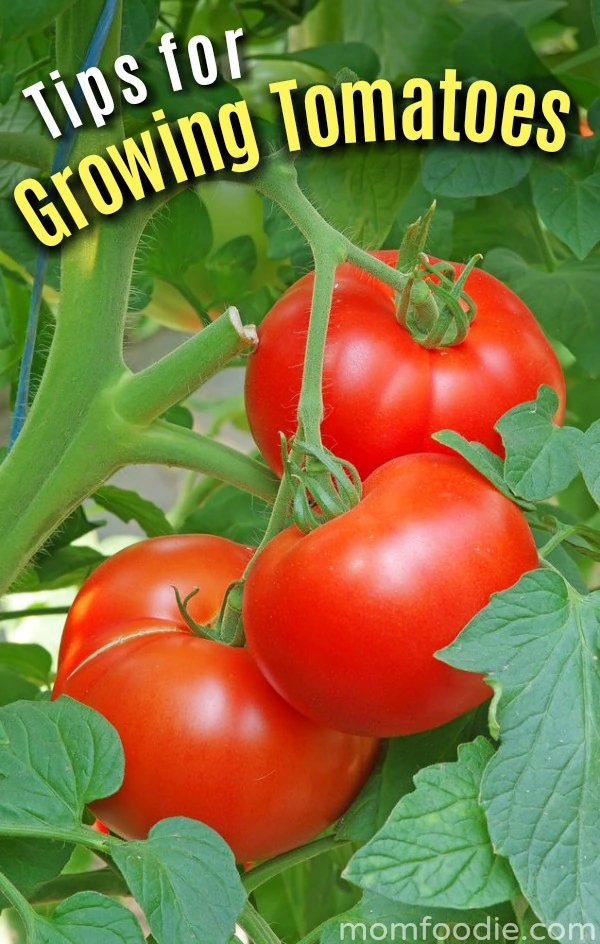
Expert Tips for Growing Good Tomatoes Every Season
Few things compare to the taste of a sun-ripened, homegrown tomato. Whether you're dreaming of juicy slicing tomatoes for sandwiches or sweet cherry tomatoes for snacking, mastering the art of tomato growing opens up a world of culinary possibilities. This comprehensive guide provides expert tips to ensure a bountiful harvest, season after season, regardless of your gardening space or experience level. We’ll cover everything from seed starting to troubleshooting common issues, empowering you to become a tomato-growing pro.
Laying the Foundation: Soil Preparation and Planting
The secret to successful tomato growing begins long before you see the first green shoots. Proper soil preparation is paramount. Tomatoes are heavy feeders, meaning they require a nutrient-rich environment to thrive.
Soil p H: Tomatoes prefer a slightly acidic soil with a p H between 6.0 and
6.8. You can test your soil p H using a home testing kit or by sending a sample to your local agricultural extension office. If your soil is too alkaline, amend it with sulfur or peat moss. If it's too acidic, add lime.
Nutrient Enrichment: Before planting, amend your garden soil with plenty of organic matter, such as compost, well-rotted manure, or aged leaves. This will improve drainage, aeration, and water retention, all crucial for healthy root development. A balanced organic fertilizer, like a 5-10-5 formula, can also be incorporated to provide essential nutrients.
Sun Exposure: Tomatoes are sun-loving plants and need at least 6-8 hours of direct sunlight per day. Choose a planting location that receives ample sunlight throughout the growing season. Insufficient sunlight can lead to leggy growth and reduced fruit production.
Starting Seeds vs. Buying Transplants: You can start tomato seeds indoors 6-8 weeks before the last expected frost date. Use seed-starting trays or small pots filled with a seed-starting mix. Keep the soil moist and provide warmth (around 70-75°F) for optimal germination. Once seedlings emerge, provide them with adequate light, either from a sunny window or grow lights. Alternatively, you can purchase transplants from a local nursery. Select healthy-looking plants with sturdy stems and no signs of disease.
Planting Depth: When transplanting tomatoes, plant them deep – burying about two-thirds of the stem. This encourages the development of adventitious roots along the buried stem, resulting in a stronger, more vigorous plant. Space plants 2-3 feet apart in rows that are 3-4 feet apart.
Watering and Feeding for Optimal Growth
Consistent watering is critical, especially during fruit development. Aim to water deeply and regularly, providing about 1-2 inches of water per week, depending on weather conditions. Avoid overhead watering, as it can promote fungal diseases. Instead, water at the base of the plant, using a soaker hose or drip irrigation system.
Fertilizing Schedule: Tomatoes require regular feeding to maintain healthy growth and abundant fruit production. Apply a balanced organic fertilizer every 2-3 weeks, following the package instructions. As the plants begin to set fruit, switch to a fertilizer higher in phosphorus and potassium to promote fruit development. Consider using compost tea as a liquid fertilizer for an added boost of micronutrients.
Container Tomato Gardening: If growing tomatoes in containers, ensure the pot is large enough to accommodate the plant's root system. A 5-gallon container is generally sufficient for determinate varieties (bush tomatoes), while indeterminate varieties (vining tomatoes) require a 10-gallon container or larger. Use a well-draining potting mix and water frequently, as containers tend to dry out faster than garden soil.
Supporting Your Tomato Plants: Stakes, Cages, and Trellises
Tomato plants, especially indeterminate varieties, need support to prevent them from sprawling on the ground and becoming susceptible to disease.
Staking: Staking is a simple and effective way to support tomato plants. Insert a sturdy stake (at least 6 feet tall) into the ground next to each plant and tie the main stem to the stake using soft twine or plant ties. As the plant grows, continue to tie it to the stake, providing support at regular intervals.
Caging: Tomato cages provide a wider support system than stakes and are especially useful for bushier varieties. Place the cage over the plant at planting time, ensuring that the plant grows up through the cage as it matures.
Trellising: Trellising is another option for supporting tomato plants, especially in smaller gardens. Construct a trellis using wood, metal, or wire mesh and train the tomato plants to grow along the trellis.
Indoor Tomato Planting Guide: Bringing the Garden Inside
While tomatoes thrive outdoors in warm weather, it's possible to grow them indoors, especially if you live in a climate with short growing seasons or want to enjoy fresh tomatoes year-round.
Lighting: Indoor tomato plants require supplemental lighting to provide the necessary amount of light for photosynthesis. Use grow lights specifically designed for plants, ensuring that they provide a full spectrum of light. Position the lights close to the plants (6-12 inches) and keep them on for 14-16 hours per day.
Temperature and Humidity: Maintain a consistent temperature of 65-75°F during the day and 60-65°F at night. Indoor environments can be dry, so increase humidity by using a humidifier or placing a tray of water near the plants.
Pollination: Indoor tomatoes need assistance with pollination, as there are no bees or other pollinators to do the job. You can manually pollinate the flowers by gently shaking the plant or using a small brush to transfer pollen from one flower to another.
Hydroponic Tomatoes: For a more advanced approach to indoor tomato growing, consider hydroponics. Hydroponic systems provide nutrients directly to the plant's roots in a water-based solution, eliminating the need for soil. While hydroponics requires some initial investment and technical knowledge, it can result in faster growth and higher yields.
Tomato Growth Stages: From Seedling to Fruit
Understanding the different stages of tomato growth can help you provide the best possible care for your plants.
Germination: This is the initial stage, where the seed sprouts and begins to grow. Keep the soil moist and warm during this stage. Seedling: Once the seedling emerges, provide it with adequate light and water. Vegetative Growth: During this stage, the plant focuses on developing its leaves and stems. Provide regular fertilization to support vigorous growth. Flowering: This is when the plant produces flowers, which will eventually develop into tomatoes. Ensure adequate pollination during this stage. Fruiting:The final stage, where the plant produces tomatoes. Provide consistent watering and fertilization to support fruit development.
How Long Does it Take Tomatoes to Grow? The time it takes for tomatoes to grow from seed to harvest varies depending on the variety and growing conditions. Generally, it takes 60-85 days from transplanting to harvest. Cherry tomatoes tend to mature faster than larger varieties.
Companion Planting for Thriving Tomatoes
Companion planting involves growing certain plants together to benefit each other. Some excellent companion plants for tomatoes include: Marigolds: Repel nematodes and other pests. Basil: Improves tomato flavor and repels insects. Carrots: Improve soil aeration. Onions and Garlic: Repel aphids and other pests. Cucumbers: Provide ground cover and suppress weeds. Peppers: Similar needs, can benefit from similar care routines.
What NOT to Plant Nearby: Avoid planting tomatoes near members of the brassica family (cabbage, broccoli, cauliflower), as they can compete for nutrients and attract pests. Also, avoid planting near fennel, as it can inhibit tomato growth.
Troubleshooting Common Tomato Growth Problems
Even with the best care, tomato plants can sometimes encounter problems. Here are some common issues and how to address them: Slow Growth: Can be caused by insufficient sunlight, poor soil, or nutrient deficiencies. Ensure adequate sunlight, amend the soil with compost, and fertilize regularly. Yellow Leaves: Can be a sign of nutrient deficiencies (especially nitrogen), overwatering, or disease. Check soil drainage, adjust watering practices, and fertilize as needed. Tall Spindly Plants: Usually caused by insufficient sunlight. Provide more light or move the plants to a sunnier location. Low Fruit Yield: Can be caused by insufficient pollination, nutrient deficiencies, or extreme temperatures. Ensure adequate pollination, fertilize regularly, and protect plants from extreme weather. Blossom End Rot:Caused by calcium deficiency. Ensure consistent watering and amend the soil with calcium-rich amendments like bone meal.
Seasonal Growing Tips: Adapting to Your Climate
Tomato growing strategies need to be adjusted depending on your local climate.
Greenhouse Growing: For cooler climates, growing tomatoes in a greenhouse can extend the growing season and protect plants from frost.
Florida-Specific Timing: In Florida, you can grow tomatoes year-round, but the best time to plant is in early spring or late summer.
Winter Indoor Setups: In colder climates, set up an indoor growing area with grow lights and proper ventilation to enjoy fresh tomatoes throughout the winter.
Harvesting and Plant Lifespan
Harvest tomatoes when they are fully colored and slightly soft to the touch. Gently twist the tomato from the vine, leaving the stem attached.
Do Tomato Plants Regrow Each Year?Tomatoes are technically perennials, but they are typically grown as annuals. In warmer climates, they may survive the winter and produce fruit again the following year. However, in colder climates, they will die back with the first frost.
Advanced Tomato Growing Techniques
For experienced gardeners looking to take their tomato growing skills to the next level, consider these advanced techniques:Upside-Down Tomatoes: Grow tomatoes in hanging planters with the roots facing up. This method can save space and provide good air circulation. Straw Bale Gardening: Plant tomatoes directly into straw bales, which provide a nutrient-rich growing medium. Grafting:Grafting involves joining two different tomato plants together to combine their desirable traits, such as disease resistance and fruit quality.
By following these expert tips, you can enjoy a bountiful harvest of delicious, homegrown tomatoes every season. Remember to adapt these guidelines to your specific climate, growing space, and personal preferences. Happy gardening!