
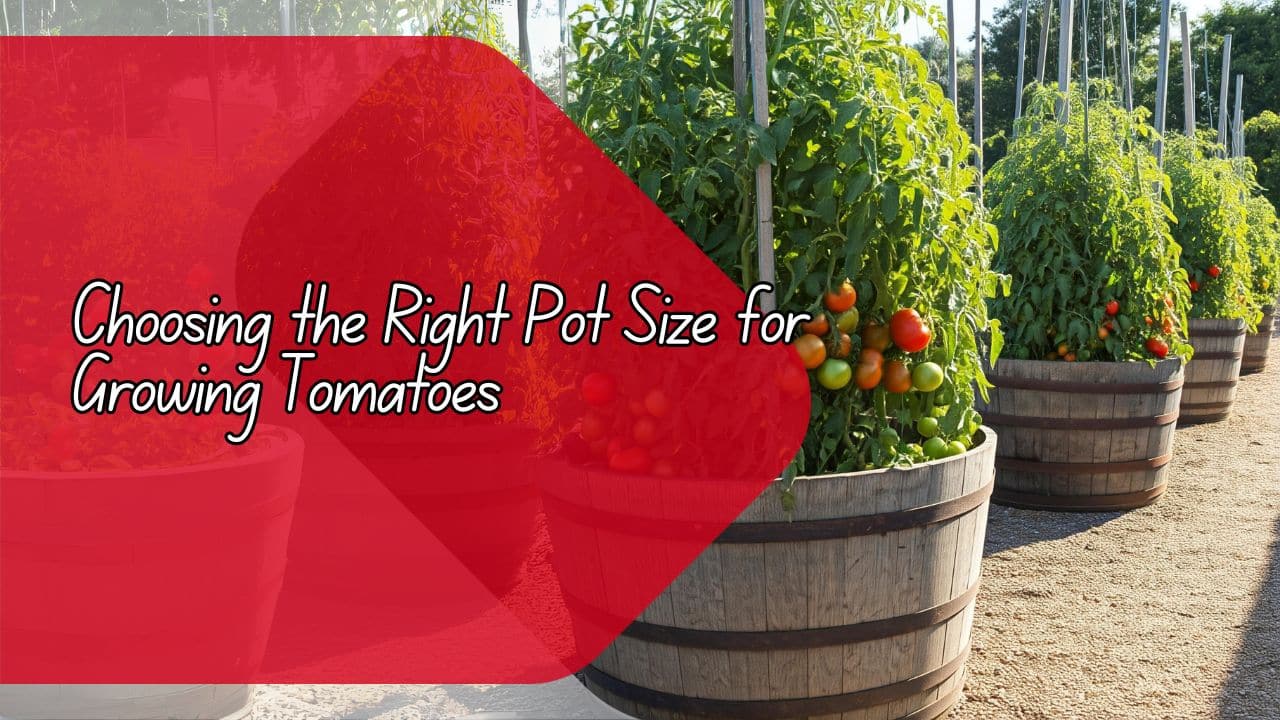
Choosing the Right Pot Size for Growing Healthy Tomatoes
Growing your own tomatoes is one of the most rewarding experiences for any home gardener. The taste of a sun-ripened, homegrown tomato surpasses anything you can buy in a store. But to achieve that juicy, flavorful perfection, you need to start with the basics, and one of the most crucial elements is selecting the appropriate pot size. Whether you’re into container gardening on a balcony, have a dedicated raised bed, or are even considering indoor tomato plants, understanding pot size is paramount to success. This comprehensive guide will delve into everything you need to know to grow thriving tomato plants in containers.
Why Pot Size Matters for Tomato Growth
The size of your container directly impacts the root system's ability to develop and nourish the plant. Tomatoes are heavy feeders, meaning they require a significant amount of nutrients. A pot that's too small restricts root growth, leading to stunted plants, nutrient deficiencies, and ultimately, a poor harvest. Conversely, while a massive container might seem ideal, it can lead to overwatering issues, as the excess soil retains moisture for too long, potentially causing root rot.
Think of the root system as the engine of your tomato plant. A small engine can only power so much. Supplying it with the right space to grow is like giving it the fuel it needs to produce. Choosing the correct pot size for your container tomato gardening journey is a critical first step.
Selecting the Ideal Pot Size: A Step-by-Step Guide
Here's a detailed guide to help you select the perfect container for your tomato plants:1. Consider the Tomato Variety:
This is the most important factor. Tomato plants come in various sizes, from compact dwarf varieties to sprawling indeterminate types.
Dwarf and Bush Varieties: These compact plants, like determinate tomatoes (which grow to a certain size and then stop), are suitable for smaller containers. Aim for a minimum of 5-7 gallonsper plant. These types are often great for beginners venturing into container tomato gardening. Determinate Tomatoes: These varieties, which include Roma and Celebrity, grow to a defined size and produce their fruit all at once. A10-gallon pot is usually sufficient. Indeterminate Tomatoes: These are the vining types that continue to grow and produce fruit throughout the season, such as Beefsteak, Cherry, and Heirloom tomatoes. They have extensive root systems and require significantly larger containers. A minimum of 20 gallonsis recommended, but even larger is better. For larger heirloom and cherry tomato growing, consider 25-30 gallons.
2. Container Material
The material of your container affects moisture retention and temperature.
Plastic:Lightweight and inexpensive, plastic containers retain moisture well but can overheat in direct sunlight. Opt for lighter colors to reflect heat. Terracotta: Porous terracotta pots allow for better air circulation and drainage, which is beneficial for preventing root rot. However, they dry out more quickly, requiring more frequent watering. Fabric Pots: These breathable pots promote air pruning of the roots, leading to a healthier root system. They also provide excellent drainage and temperature regulation. They're great for beginners as they are difficult to overwater. Wood: Wooden containers provide good insulation and drainage. Make sure to line them with plastic to prevent the wood from rotting.
3. Drainage is Essential
Regardless of the container material, ensure it has adequate drainage holes. Poor drainage leads to waterlogged soil, suffocating the roots and causing root rot. If your chosen container doesn’t have sufficient drainage, drill additional holes.
4. Pot Shape Matters
Wider, more shallow pots are generally better for tomatoes. The wider base provides more stability, especially as the plant grows taller and heavier with fruit. It also allows for a more extensive root system to develop near the surface, where oxygen is more readily available.
5. Soil Preparation
Don’t use garden soil in containers. It’s too dense and doesn’t drain well. Instead, use a high-quality potting mix specifically formulated for containers. A good potting mix should be lightweight, well-draining, and contain essential nutrients. Consider amending your potting mix with compost for added nutrients and improved drainage. Proper soil preparation is key to successful container tomato gardening. The ideal soil p H for tomatoes is between 6.0 and
6.8.6. Location, Location, Location:
Before selecting your pot size, consider where you will be placing your container. Make sure it can support the weight of a large, fully grown tomato plant in a larger pot. Ensure the location receives at least 6-8 hours of direct sunlight per day, which is crucial for healthy tomato growth.
Step-by-Step Planting Guide for Container Tomatoes
Once you've chosen the right pot size, follow these steps for planting your tomato seedlings:
1.Prepare the Container: Fill the pot with your chosen potting mix, leaving a few inches of space at the top.
2.Plant the Seedling: Dig a hole large enough to accommodate the root ball of the seedling. Gently remove the seedling from its nursery pot and loosen the roots slightly.
3.Bury Deep: Tomatoes have the unique ability to grow roots along their stems. Planting the seedling deeper than it was in the nursery pot encourages a stronger root system. Remove the lower leaves and bury the stem up to the first set of leaves.
4.Water Thoroughly: Water the newly planted seedling thoroughly until water drains out of the drainage holes.
5.Add Support: Insert a tomato cage or stake into the pot to support the plant as it grows. This is particularly important for indeterminate varieties.
6.Mulch: Apply a layer of mulch around the base of the plant to help retain moisture and suppress weeds.
Indoor Tomato Growing: Special Considerations
Growing tomatoes indoors presents unique challenges.
Lighting: Indoor tomato plants require supplemental lighting to thrive. Invest in a high-quality grow light and provide at least 14-16 hours of light per day. LEDs are an energy-efficient option. Temperature: Maintain a consistent temperature between 65-80°F. Pollination: Tomatoes are self-pollinating, but indoor plants may need assistance. Gently shake the plant or use a small brush to transfer pollen from flower to flower. Variety Selection: Choose compact or dwarf varieties specifically bred for indoor growing. Hydroponics:Consider hydroponic tomatoes to help control your soil and avoid some common diseases.
Watering and Fertilizing for Optimal Growth
Watering: Water deeply and regularly, especially during hot weather. Allow the top inch of soil to dry out between waterings. Avoid overhead watering, which can lead to fungal diseases. Fertilizing: Tomatoes are heavy feeders and benefit from regular fertilization. Use a balanced fertilizer specifically formulated for tomatoes. Follow the instructions on the fertilizer label. Supplement with organic tomato fertilizer such as compost tea or fish emulsion.
Troubleshooting Common Problems
Slow Growth: Can be caused by insufficient sunlight, nutrient deficiencies, or poor soil drainage. Yellow Leaves: Often indicates a lack of nitrogen or magnesium. Tall, Spindly Plants: Usually a sign of insufficient light. Low Fruit Yield: Can be due to poor pollination, nutrient deficiencies, or extreme temperatures.
Companion Planting: Boosting Your Tomato's Health
Companion planting can help improve the health and productivity of your tomato plants.
Beneficial Companions: Marigolds deter pests, basil improves flavor, and carrots loosen the soil. Plants to Avoid: Avoid planting tomatoes near brassicas (cabbage, broccoli, cauliflower) as they compete for nutrients.
Seasonal Growing Tips
Florida-Specific Timing: In Florida, you can grow tomatoes year-round, but the best time to plant is in early spring or late summer. Greenhouse Growing: Greenhouses provide a controlled environment for extending the growing season. Winter Indoor Setups:Create a dedicated indoor growing space with grow lights and temperature control to enjoy fresh tomatoes year-round.
Harvesting and Beyond
Tomatoes are typically ready to harvest when they are fully colored and slightly soft to the touch. Gently twist the tomato off the vine. Tomato plants are typically grown as annuals, meaning they don't regrow each year. However, you can save seeds from heirloom varieties to plant the following year.
Advanced Techniques for Tomato Growing
Upside-Down Tomatoes: This method can be space-saving and visually appealing, but it requires careful watering and fertilization. Straw Bale Gardening: Planting tomatoes in straw bales provides excellent drainage and aeration.
Choosing the right pot size is a fundamental aspect of successfully growing healthy, delicious tomatoes. By understanding the needs of your chosen tomato variety, providing proper drainage, using a high-quality potting mix, and offering adequate support, you'll be well on your way to enjoying a bountiful harvest. So, whether you're a seasoned gardener or a beginner exploring the joys of container tomato gardening, remember that the foundation for success lies in choosing the right pot. Enjoy the journey of growing your own tomatoes and savor the unmatched flavor of homegrown goodness!